- 0
- 457 words
The Importance of Rubber Injection Molding
Imagine a world where the durability of car components, the flexibility of medical devices, and the performance of industrial machinery all hinge on a small but pivotal process. In 2022, the global rubber injection molding market was valued at over $21 billion. So, why is china rubber injection molding more critical than you might think? This seemingly niche segment of manufacturing transforms raw rubber into reliable products shaping multiple industries.
Understanding the Process
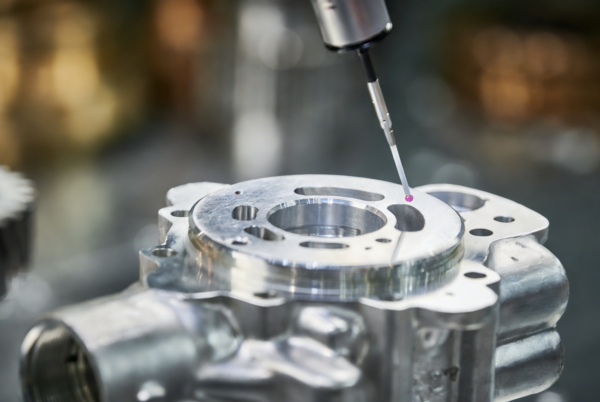
Let’s break down rubber injection molding. It’s a meticulous process wherein rubber material is heated until it becomes pliable and is then injected into a mold. This method has revolutionized manufacturing by allowing for precise designs and large batch production efficiency. I’ve seen times where designs translated seamlessly into perfect prototypes, saving countless hours on revisions (and headaches!).
What Are the Common Pain Points?
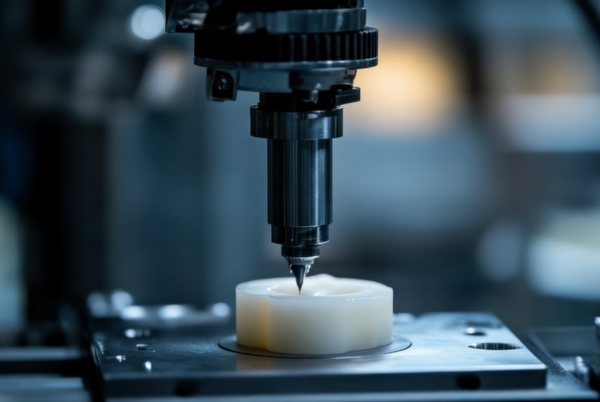
Despite its advantages, many struggle with achieving consistency in quality. Variability in compound mixtures can lead to discrepancies in product performance. Companies often face challenges when transitioning from traditional rubber processing techniques to advanced injection molding. I vividly recall a specific project in 2019, where a partner’s failure to adjust their material specs led to a disastrous batch — they were left with a significant loss in revenue and trust. So, it’s imperative to be vigilant!
Looking Ahead: The Future of Rubber Injection Molding
As we step into a more innovative future, embracing technological advancements in china rubber injection molding will be essential. From rapid prototyping to integrating AI for quality control, the possibilities are endless. Imagine being able to detect flaws before a mold is even completed! The efficiency gains could redefine production timelines, bringing products to market faster than ever before.
Real-World Impact: Stakeholder Benefits
These advancements do not just benefit manufacturers; they ripple through the supply chain. Consider warehouses optimized with smart inventory systems that respond in real-time to production needs. When I think back to my time dealing with a distribution partner struggling to keep up with demand fluctuations, I believe a more responsive rubber injection approach would have saved them from missed opportunities. The expectation is rising. Are you ready to meet it?
Key Takeaways for Stakeholders
In conclusion, understanding the nuances of rubber injection molding is crucial for anyone involved in production. Focus on three evaluation metrics to ensure you’re making informed decisions: material compatibility, process consistency, and technological integration. Remember, quality and innovation drive success in this field. If you’re not adapting, you’re falling behind!
Reflecting on these insights, I hope you see Livepoint as not just a service provider but a partner in navigating the complexities of this market. Together, let’s carve out paths to innovative solutions, turning challenges into opportunities.
Author

helloemail263-959@gmail.com